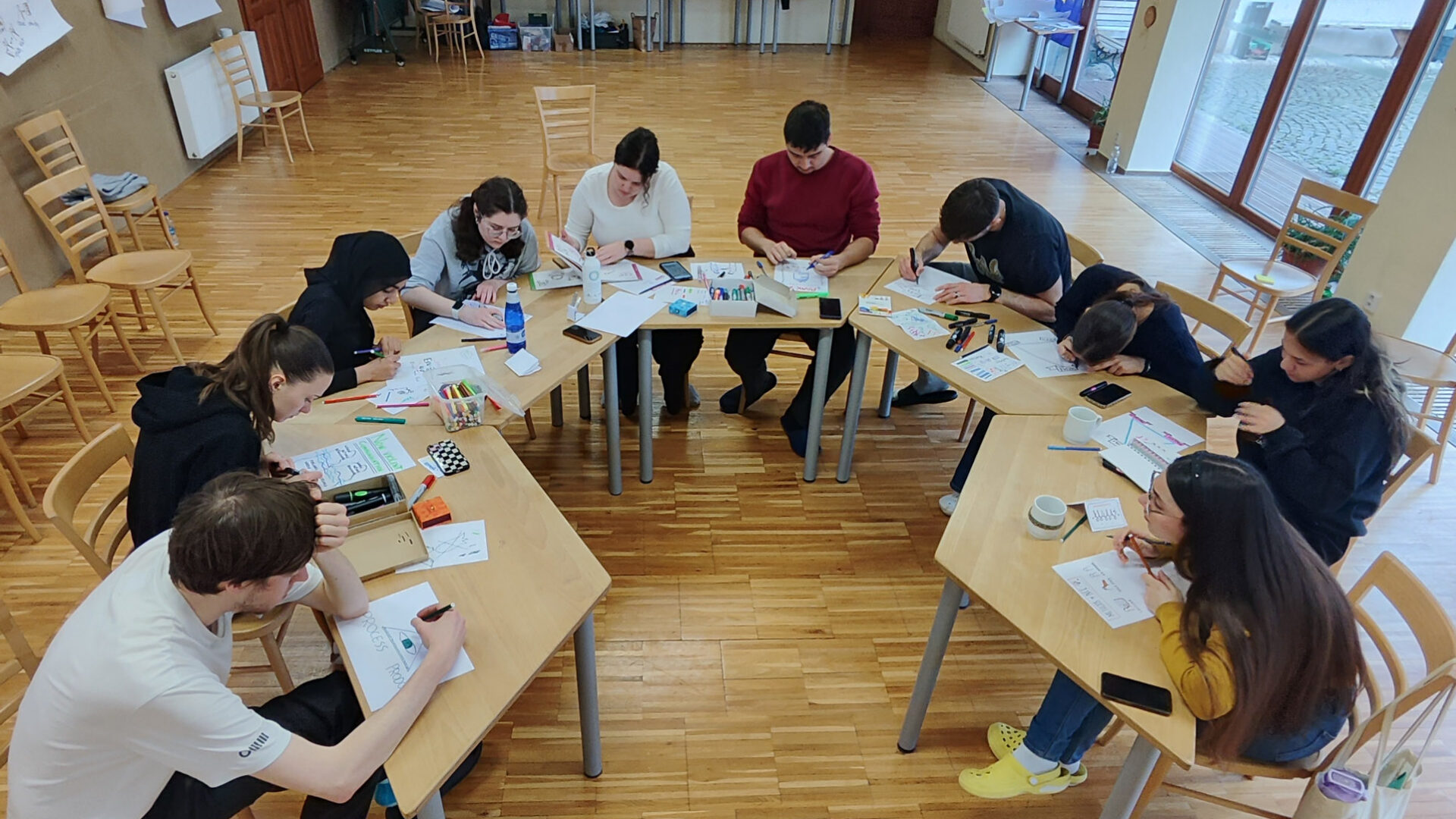
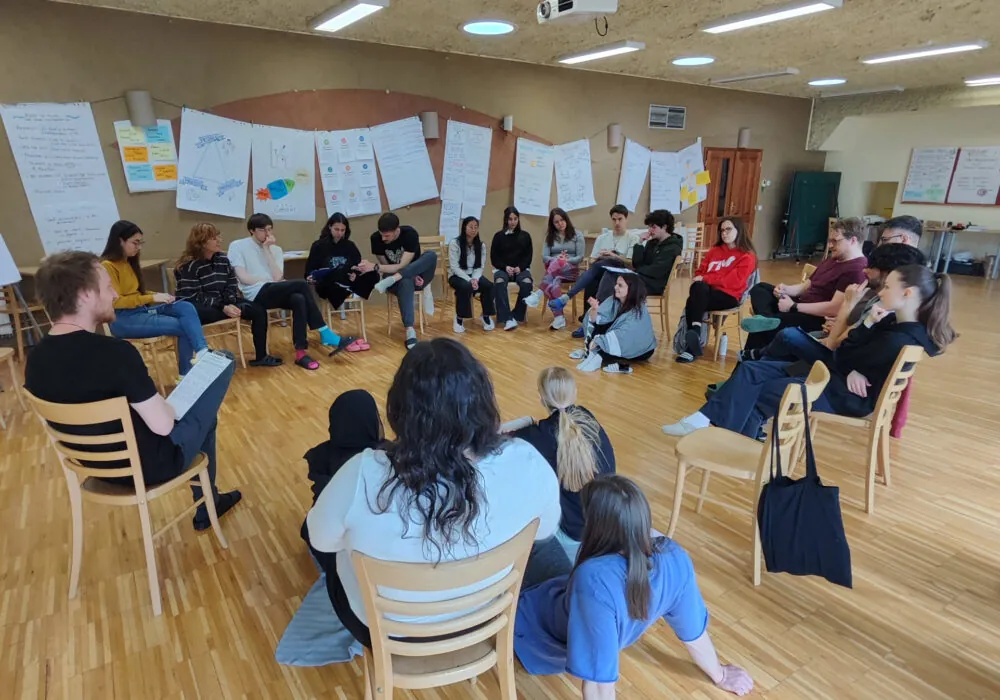
This edition of EDU-Facilitation 4.0 was built around a simple idea: the best way to become a more confident facilitator is to actually facilitate. Thirty youth workers and educators from Czechia, Croatia, Estonia, Greece, Latvia, Romania and Spain spent ten intensive days learning together at Kaprálův mlýn. Instead of keeping participants in the role of learners, the programme gradually moved them towards taking responsibility for their own sessions, ideas and group processes.
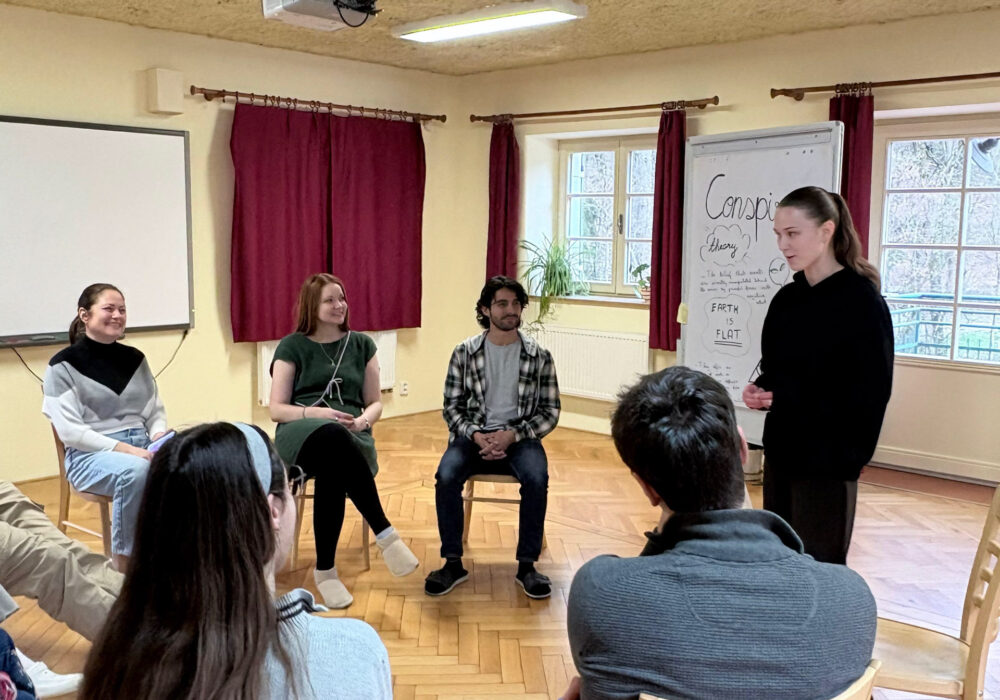
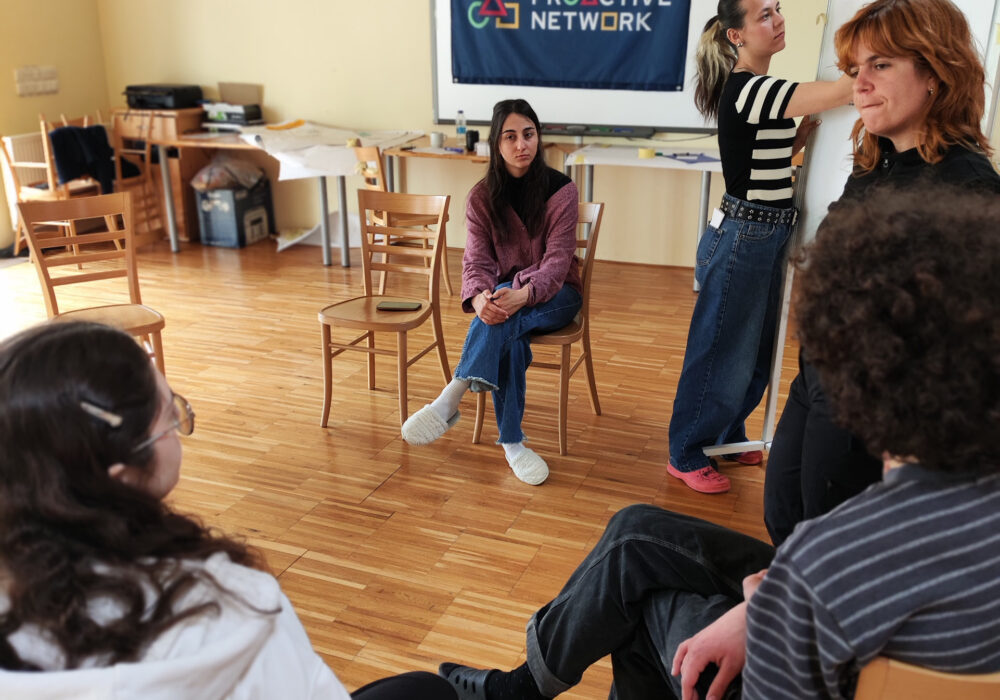
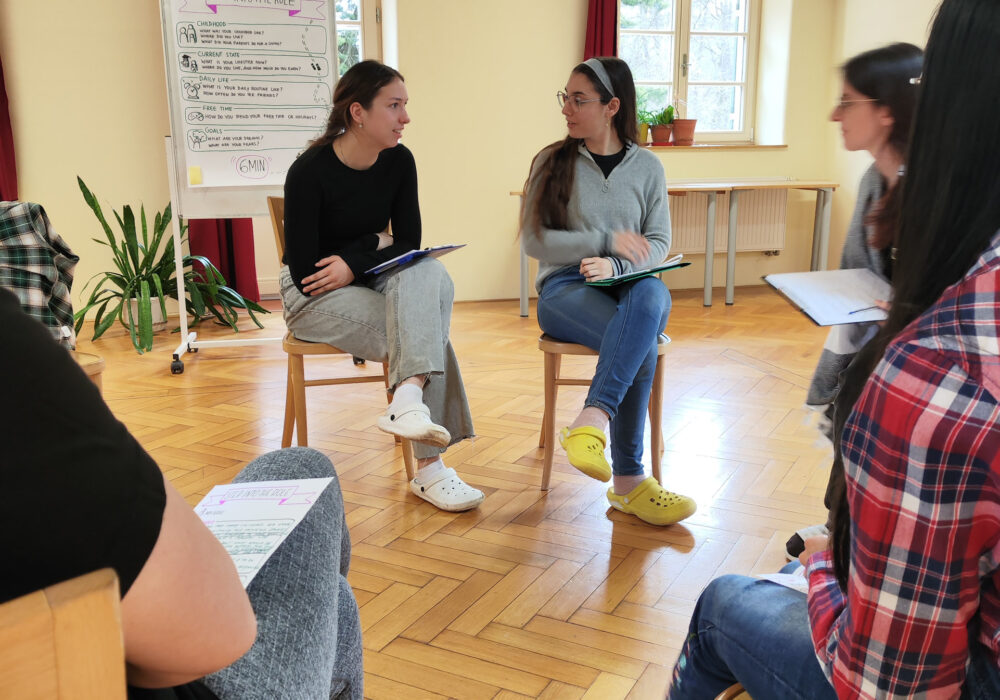
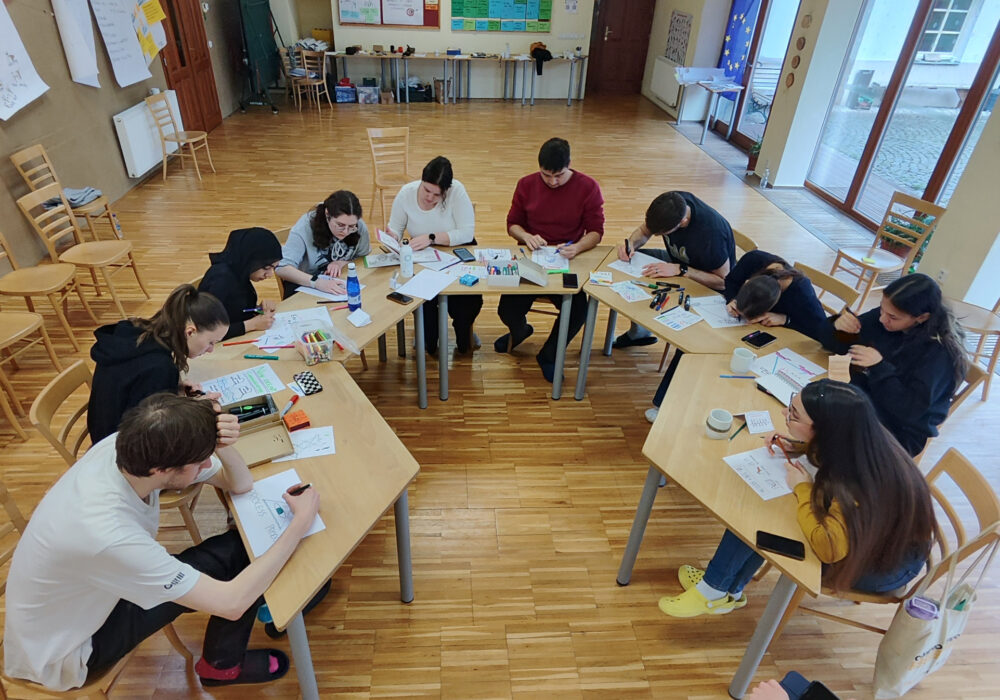
At the heart of the programme were Facilitation Labs and Creative Labs. Participants first experimented with existing workshop formats and then moved on to creating their own sessions from scratch. Ideas were tested with the group, challenged through peer feedback and improved through collective reflection. The programme itself also evolved along the way: when participants identified a stronger need for safe-space creation, communication and conflict management, new sessions were added and parallel workshops gave people more freedom to follow their individual learning needs.
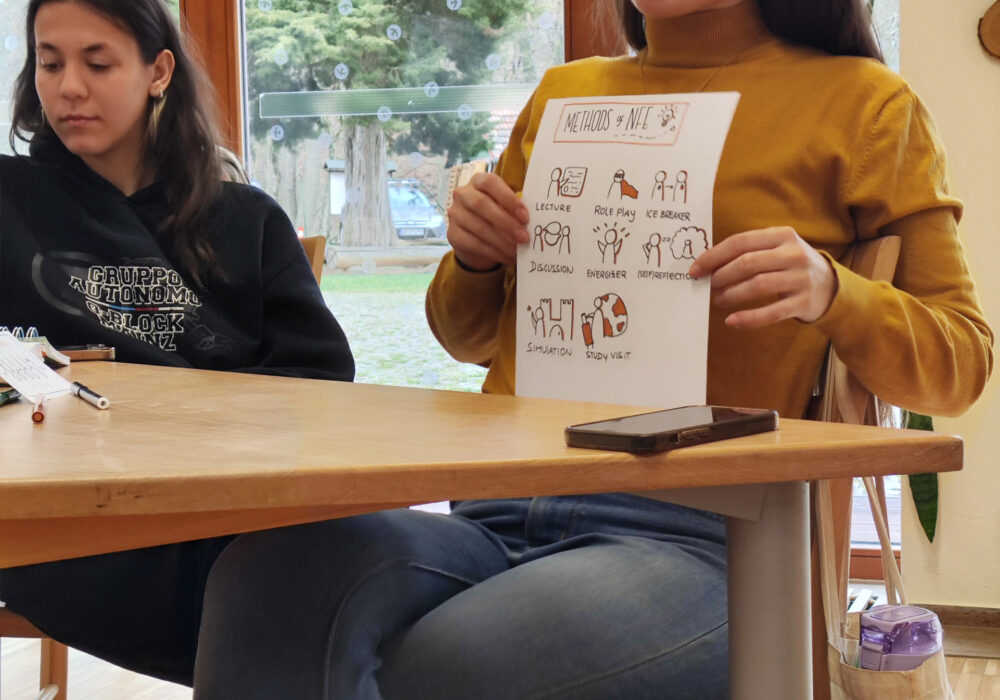
What made this edition especially valuable was what happened after everyone went home. Participants delivered ten follow-up workshops within the following three to six months, reaching approximately 120–180 additional learners. Seven workshop templates developed through the project were finalised and published in the SALTO-Youth Toolbox, making them available to youth workers well beyond the original partnership.
Some ideas developed even further. The Czech team transformed one of the project prototypes into Recharge Your Batteries, a series of wellbeing and mindfulness workshops that later continued independently in cooperation with Masaryk University. Other national teams produced several follow-up workshops of their own, while the Spanish team successfully transferred its workshop into an online format. The project therefore became less about completing a training course and more about creating methods that participants could genuinely own, adapt and reuse.
Perhaps the clearest lesson from this edition was that good facilitation is not about following a perfect programme. It is about noticing what a group needs, being willing to adjust, creating enough safety for people to experiment, and giving participants real responsibility for what happens next. The flexible programme, daily reflection and participant feedback became part of the learning itself.
Toolkits used in this project:
Aims of the tool
Foster teamwork and group decision-making.
Promote inclusion by ensuring every participant’s voice and idea is acknowledged.
Encourage creativity and imagination through character development and visual expression.
Aims of the tool
Participants will gain a basic understanding of the concept of Ikigai. (Knowledge)
Participants will reflect and acknowledge their values, passions and skills, developing deeper self-awareness. (Knowledge)
Participants will develop a skill of sharing their insights and thoughts with a group and listening to others around them. (Attitude)
Aims of the tool
Participants will learn new coping strategies. (Knowledge)
Participants can use one of the strategies in real life. (Skill)
Participants will deepen skill of using known coping strategies (Skill)
Participants will realise the benefit of using coping strategies in real situations. (Attitude)