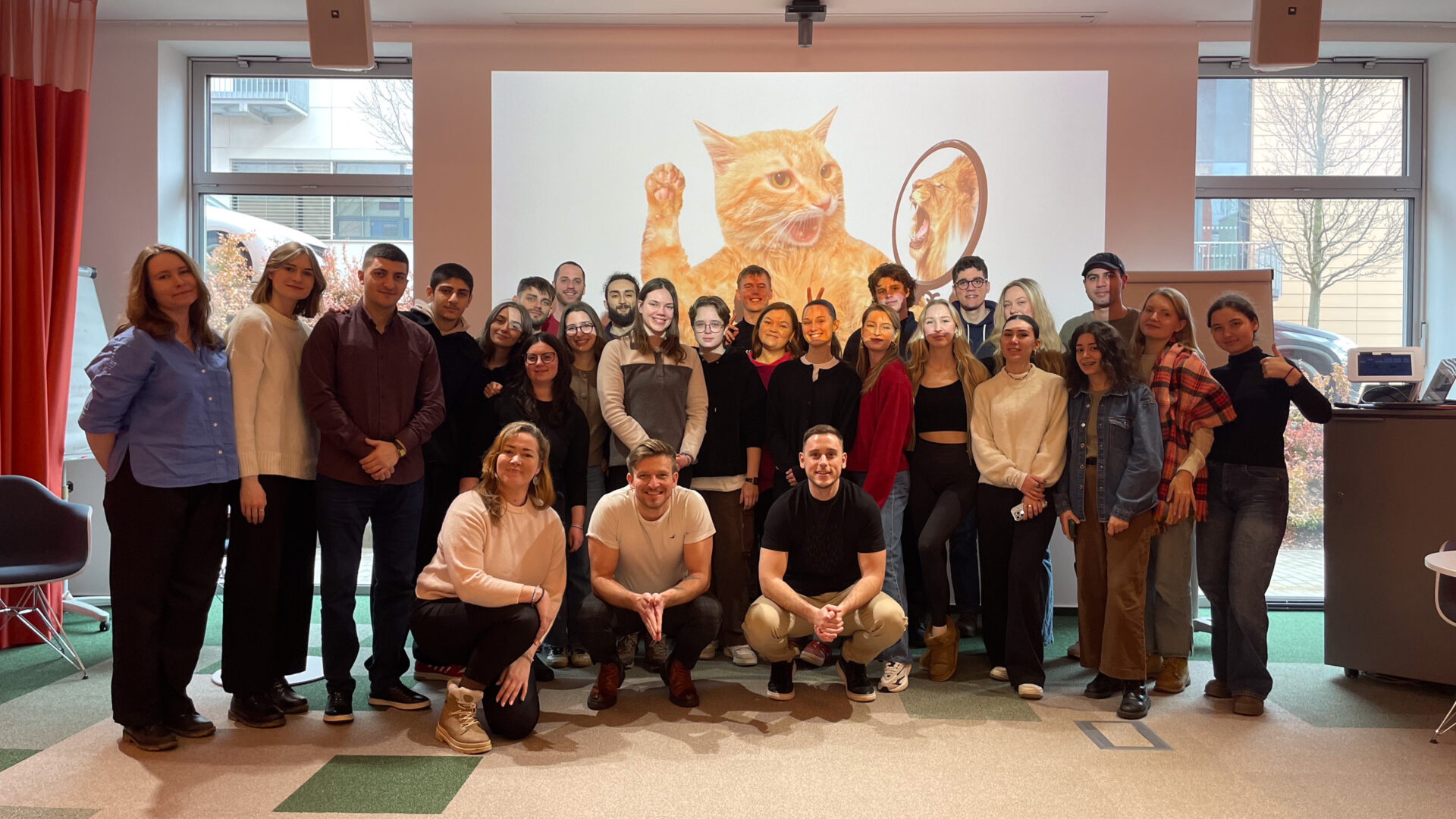
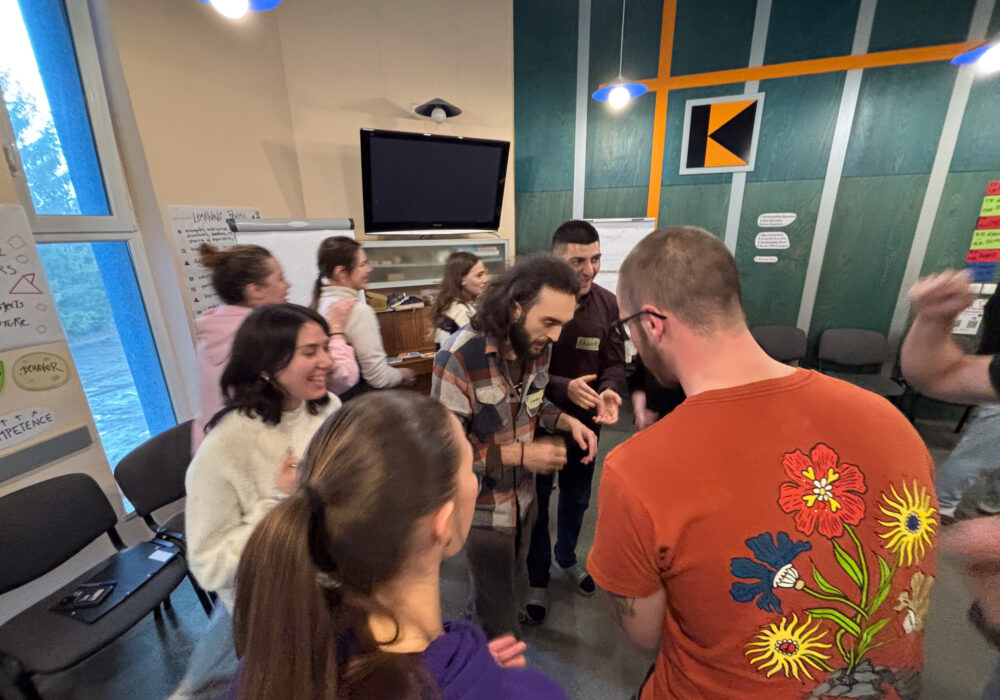
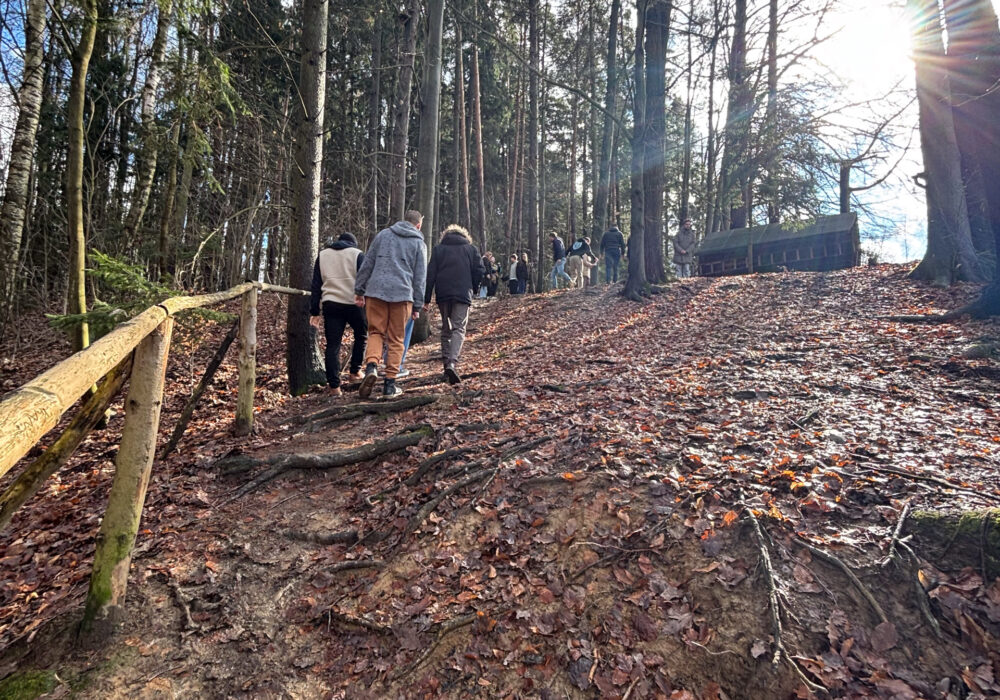
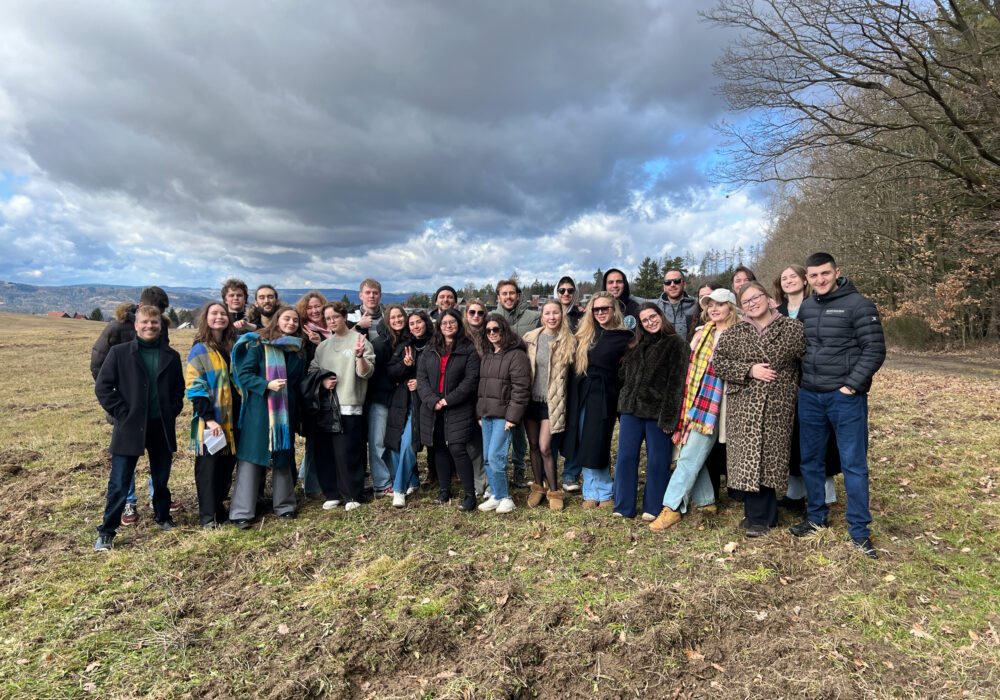
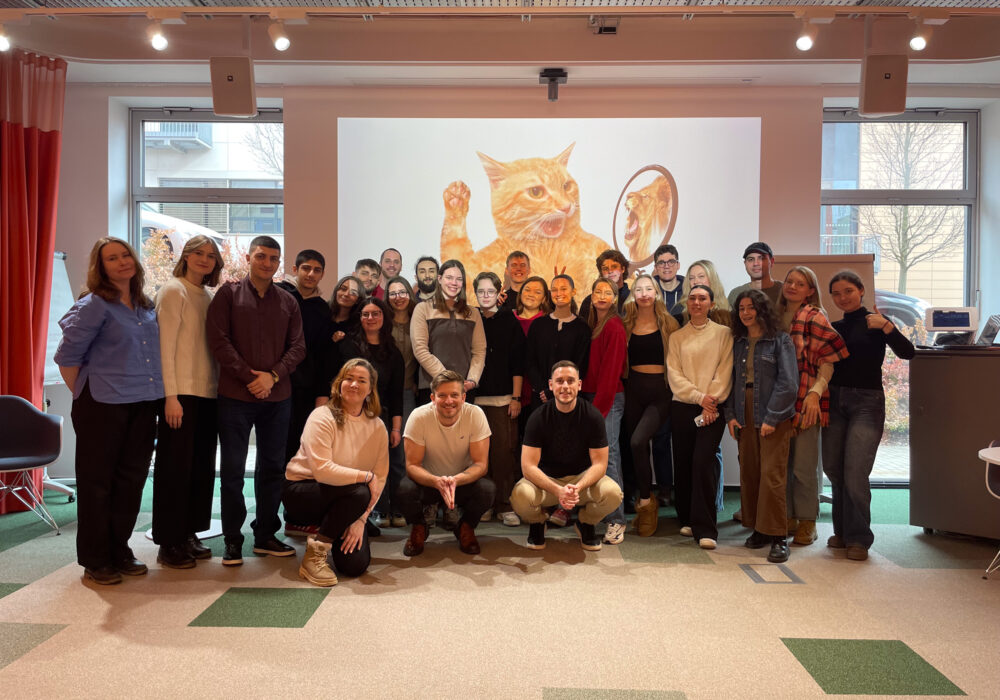
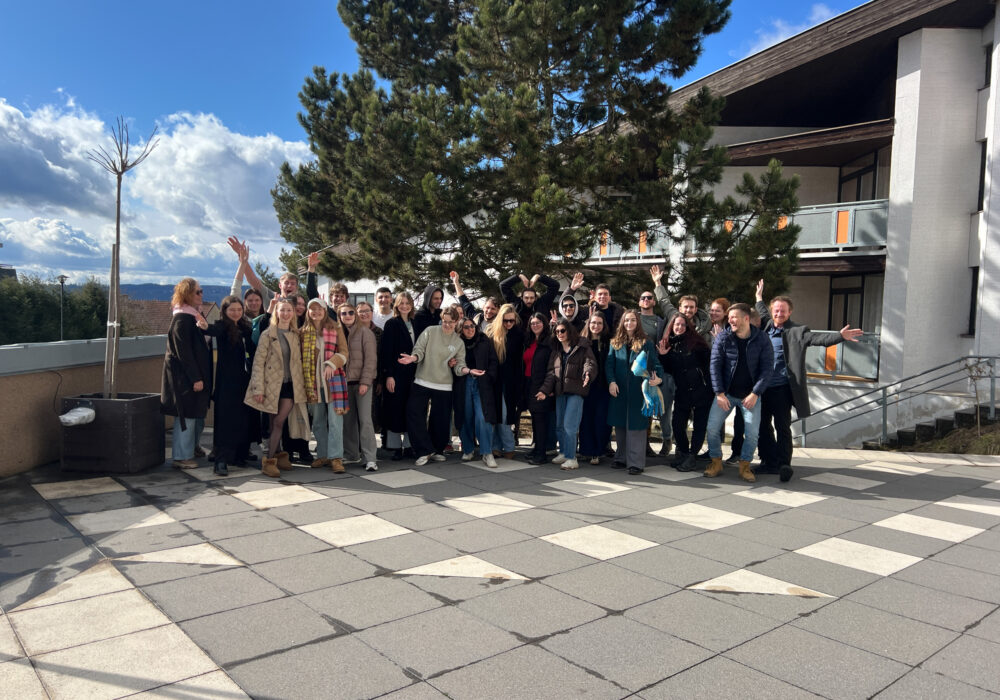
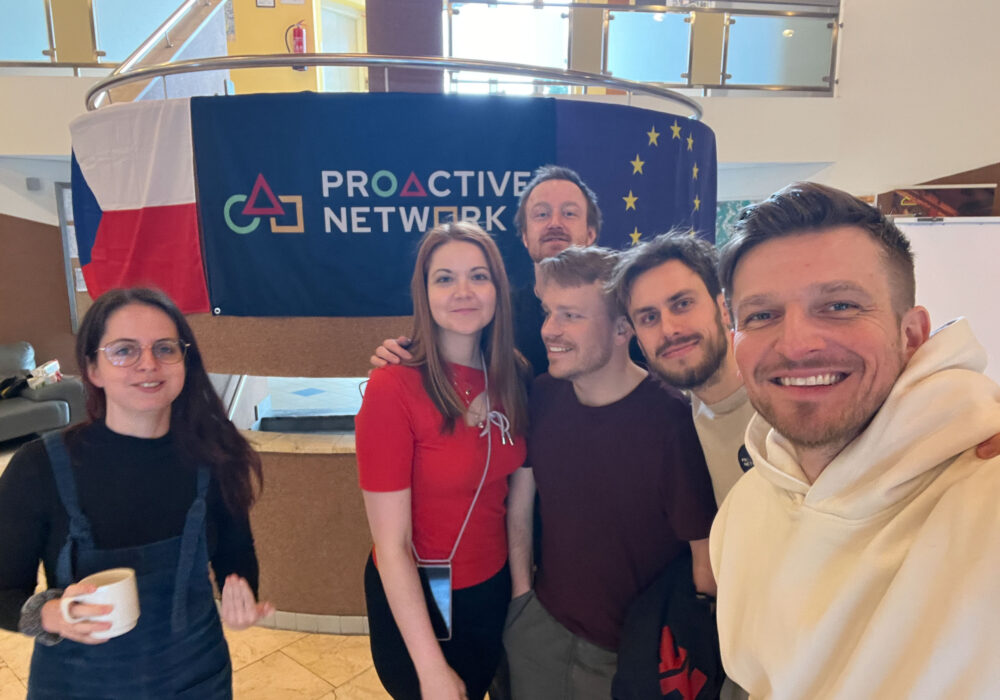
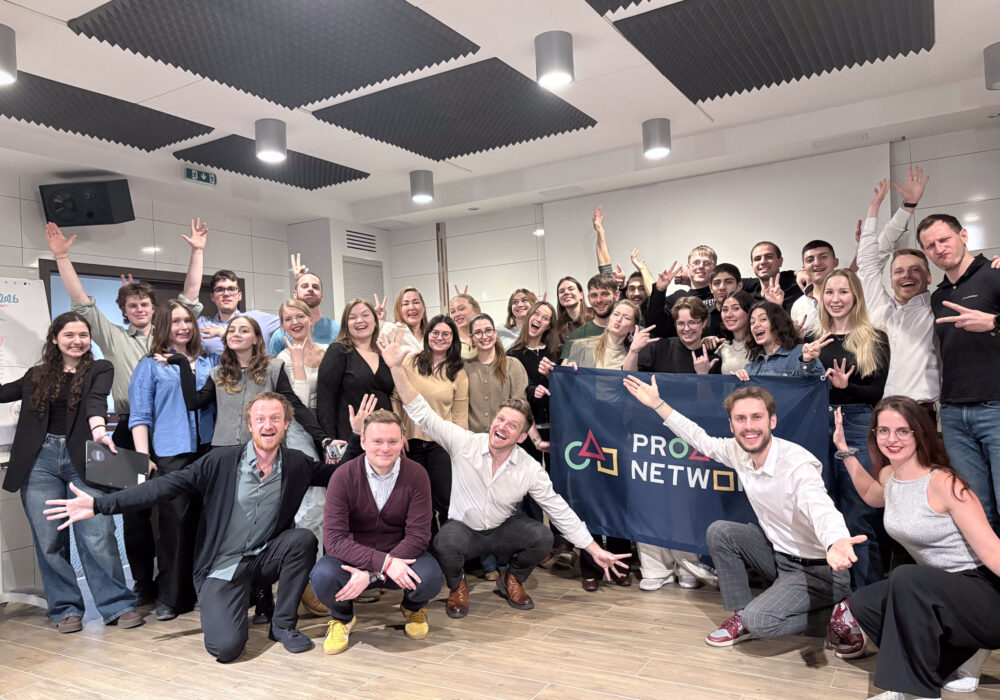
Business Skills for a Sustainable Future brought together 32 young people and youth workers from seven countries — Czechia, Estonia, Croatia, Armenia, Georgia, Belarus and Lithuania — for eight days at Vyhlídka Blansko focused on entrepreneurship, leadership and creative thinking.
The centrepiece of the training course was a 24-hour business hackathon, where participants built sustainable business ideas from scratch and pitched them to the group. Alongside it ran sessions on presentation skills and giving and receiving feedback, all built around the same challenge: turning a sustainable idea into something that could actually work.
Gallery
Toolkits from this project
Aims of the tool
- By the end of the hackathon, participants will:
- Apply knowledge and skills gained during the project
- Develop a concrete project or business idea
- Work independently with structured support
- Practice decision-making under time pressure
- Present their project in a clear and impactful way
- Present their project in front of external judges (Shark Tank-style environment)
Aims of the tool
By the end of the workshop, participants will:
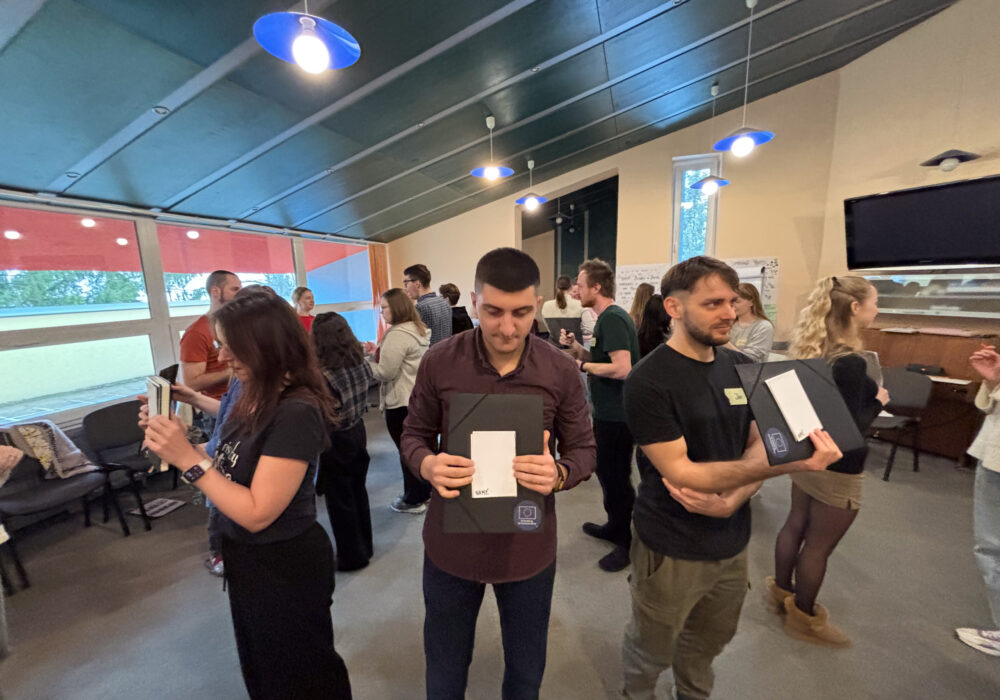
● Understand the basics of Nonviolent Communication (NVC)
● Recognize the difference between constructive feedback and criticism
● Identify their own emotions and underlying needs in communication
● Distinguish between observation and assumption
● Practice giving feedback in a clear, respectful, and structured way
● Develop skills for receiving feedback without defensiveness
● Improve empathy and understanding in interpersonal communication
Aims of the tool
Learning objectives
By the end of the workshop, participants will:
● Understand sustainability beyond environmental topics (systems thinking)
● Identify real-life problems connected to sustainability
● Transform problems into practical business ideas
● Evaluate ideas based on feasibility and long-term impact
● Build and present a simple sustainable project
Aims of the tool
By the end of the workshop, participants will:
● Understand how to start and end a presentation with impact
● improve non-verbal communication (body language, gestures, eye contact)
● Deliver a structured elevator pitch
● Gain confidence through practice and feedback
● Reflect on their own presentation style
Or watch the highlights of the project on Instagram or Facebook.